

We all want our children to appreciate the people who care for them, the things they have, and the little moments that make life good. But teaching kids gratitude can feel a little tricky when “Say thank you” becomes something we repeat all day.
Gratitude goes deeper than remembering good manners. It means noticing something good, recognizing the care or effort behind it, and finding a way to show appreciation.
And we can practice it in the middle of ordinary family life: around the dinner table, during a bedtime conversation, or while talking with a grandparent. You do not need a perfect homeschool schedule or a month of elaborate activities.
To help you get started, our free Family Gratitude Stories mini-book gives children ages 5–11 a simple way to interview someone they care about and turn a thankful memory into a keepsake.
Download the free Family Gratitude Stories booklet (PDF)

What does gratitude mean for children?
A simple way to explain gratitude is: “Gratitude means noticing something you appreciate and thinking about why it matters to you.”
For a young child, that might be appreciating a friend who saved them a seat. An older child might notice that someone spent time helping them understand a difficult math problem.
Try moving beyond “What are you thankful for?” with a follow-up question:
- What made that special?
- Who helped make it happen?
- How could you show that person you appreciate them?
If your child says they are thankful for their favorite toy, you do not have to redirect them toward a more impressive answer. Start there. Ask what they enjoy about it or who they like playing with. The goal is an honest conversation.
Why teaching gratitude matters
Practicing gratitude gives children opportunities to notice other people’s effort, talk about what matters to them, and respond to kindness. It can turn an everyday moment into a conversation about care and connection.
When a child notices that a sibling helped clean up, they have a chance to see that sibling’s contribution. When they hear a grandparent’s story about a helpful neighbor, kindness becomes something they can picture.
Those are worthwhile conversations even when the answer is short, the drawing is messy, or someone needs help putting their thoughts into words.
1. Let your children hear your own gratitude
Make your appreciation specific and say it out loud.
- “Thank you for putting the crayons away. That made cleaning up easier.”
- “I appreciate that you waited while I helped your brother.”
- “I’m thankful we had a few minutes to read together tonight.”
You can also acknowledge people outside your home: the librarian who helped find a book, a neighbor who checked in, or a family member who made time for a phone call.
You do not need to turn each moment into a lesson. A sincere sentence is enough.
2. Make room for gratitude and hard feelings
A child can appreciate something and still feel disappointed. Being thankful for a family outing does not mean they cannot be upset that it rained.
Instead of “You should be grateful,” try: “You really wanted to go to the playground, and you’re disappointed. I understand.” Later, when they are ready, you might ask whether there was anything they enjoyed about the day.
Keep gratitude separate from guilt or comparisons with other families. We want children to notice goodness without feeling that they have to hide their feelings to give the right answer.
3. Choose one small gratitude habit
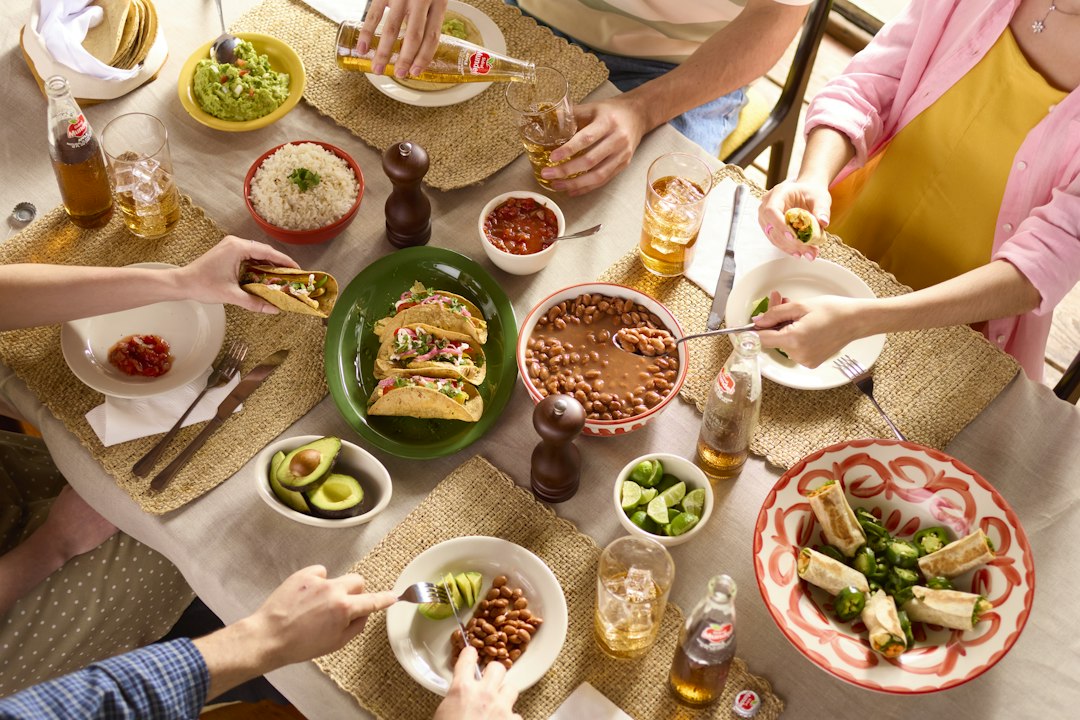
Pick a moment that already exists in your day. At dinner, in the car, or before bed, invite everyone to share one thing they appreciated.
Keep the question flexible: “Who helped you today?” or “What little thing made today better?” Sometimes the answer will be a big family memory. Sometimes it will be a snack.
For working homeschool families, this can happen after a shift, over a weekend breakfast, or between activities. If you miss a day, simply try again the next time it fits.
4. Teach gratitude through family stories
One meaningful way to explore gratitude is to ask someone about a kindness they remember. Children can hear how another person experienced help, friendship, or an ordinary moment that became special.
Our Family Gratitude Stories printable walks children through that conversation. They choose a family member or trusted adult, ask a few questions, organize the memory, and create a short illustrated story.
The booklet includes questions for younger and older interviewers, interview notes, a gratitude timeline, a story map, and space to write or dictate and draw the beginning, middle, and ending of the memory.
Get your free gratitude interview and keepsake booklet here
How to use the free gratitude booklet
The project is divided into three short sessions, so you can spread it across your week.
- Ask: about 15 minutes. Choose a family member or trusted adult and pick four to six questions. Talk in person, by phone, or by video.
- Organize: about 15 minutes. Capture a few details, then use the timeline and story map to choose one memory of kindness or thanks.
- Make: about 15–25 minutes. Help your child turn that memory into a mini-book with words and drawings. Younger children can dictate while an adult writes.
Try questions such as “Who taught you something you still use?” or “Tell me about a time someone was kind to you.” Then give the person time to answer. A gentle “What happened next?” can help your child follow the story.
Let the guest skip any question, and ask permission before recording a conversation or sharing a story or image. If a relative is unavailable, choose another trusted adult who would enjoy participating.
5. Help children turn appreciation into action
After your child notices a kindness, ask: “Would you like to do something to say thank you?”
They might draw a picture, write a short note, help with a task, or tell the person what they appreciated. A specific thank-you can be as simple as “Thank you for reading with me. I liked doing the voices together.”
If the person would enjoy it, your child could read their finished gratitude mini-book to them. Sharing the memory can become part of the thank-you.

A simple Thanksgiving homeschool activity—or an anytime project
This booklet makes a natural Thanksgiving gratitude activity, but you can use it any time of year. Try it before a family visit, during a quieter homeschool week, or when your child wants to learn more about someone they love.
It also brings together listening, asking questions, sequencing events, storytelling, writing, and drawing. Siblings can interview the same person and create their own books at their own levels.
Printing tip: The PDF is already arranged as a folded booklet, with two mini-book pages on each landscape sheet. Print at actual size using your printer’s two-sided setting and short-edge flip. Test one sheet first, then fold and assemble the booklet in page-number order. Do not select an additional “booklet” layout, which would rearrange the pages again.
Download your free Family Gratitude Stories mini-book
You do not have to add another complicated project to teach your children gratitude. Start with one question, one memory, and a little time to listen.
This free printable gives your family a place to begin—and a story worth keeping when you are finished.
Download the free Family Gratitude Stories PDF
For personal use in one household. You may print copies for your own children. Please share this article with other families rather than sending or uploading the PDF itself.