
Buying Christmas gifts for a homeschooling family can be tricky. The best gifts are usually the ones that don’t add clutter—and instead become part of everyday family life.
If you’re shopping for a homeschool family, you don’t necessarily need to buy “school supplies.” In fact, some of the most useful gifts are the things families can pull into read-aloud time, science experiments, road trips, quiet afternoons, family game nights, and everyday learning.
As a homeschooling mom, I’d much rather have one gift we use all year than five things that get shoved into a closet by January. So this list focuses on practical, reusable gifts that support curiosity, creativity, connection, and the kind of learning that happens naturally at home.
Quick List: Gifts Homeschool Families Will Actually Use
- Screen-free audio player
- Family board games
- Magnetic tiles or open-ended building sets
- Microscope or science tools
- Quality art supplies
- Read-aloud book collection
- Laminator and supplies
- Printer paper and ink subscription or gift card
- Rolling homeschool cart or storage system
- Family membership to a zoo, museum, or science center
- National or state park pass
- Cooking or baking kit
- Field guides and nature tools
- Puzzles and logic games
- Family experience gift
1. A Yoto Player or Yoto Mini
For a family that does a lot of read-alouds, road trips, quiet time, or independent learning, a screen-free audio player can get used constantly. Yoto lets kids choose stories, music, podcasts, and other audio with physical cards rather than opening a traditional tablet or phone.
For a homeschool family, it can be useful during quiet time, in the car, while younger siblings rest, or while a parent is working one-on-one with another child. The Mini is especially practical for travel, while the full-size Player makes more sense as a shared household device.
Why it earns a spot: it works across multiple ages and doesn’t require every listening session to become “school.”
2. Family Board Games That Sneak in Real Skills
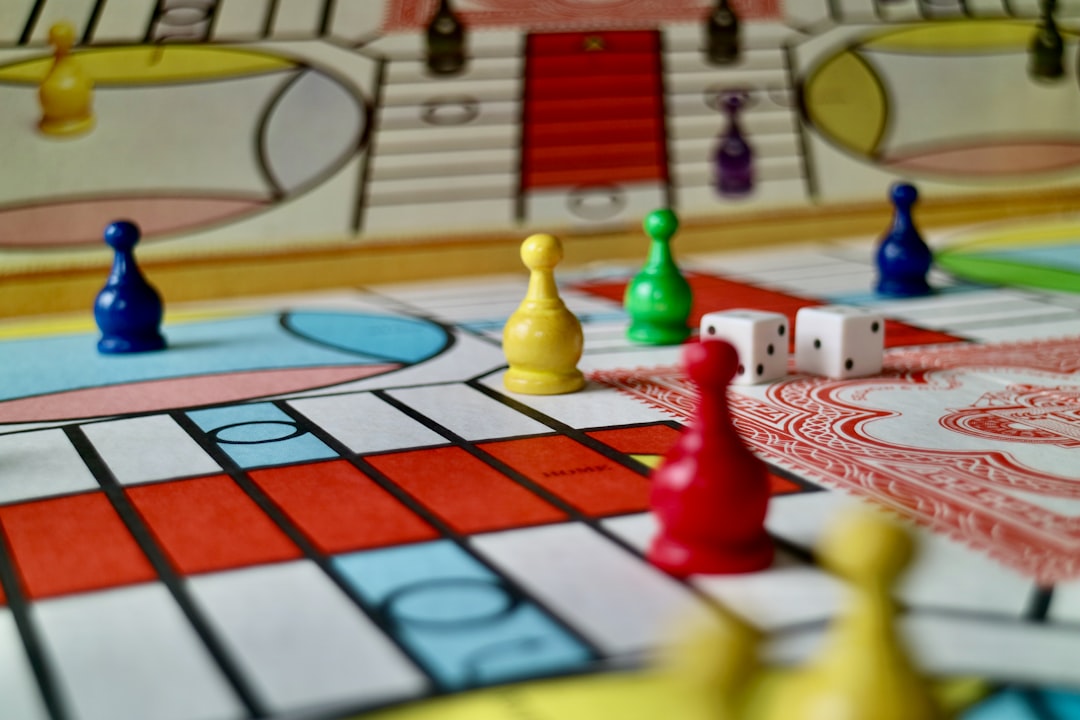
Board games are one of my favorite homeschool-family gifts because they bring everyone together while naturally practicing math, reading, strategy, patience, and communication.
Look for a mix of cooperative and competitive games so younger and older children can participate. Games involving money, patterns, logic, storytelling, geography, or planning tend to pull double duty as learning without feeling like an assignment.
Why it earns a spot: it creates family time and can become part of a relaxed homeschool afternoon or Friday game day.
3. Magnetic Tiles or Another Open-Ended Building Set
A good building set can be used by more than one child and at more than one developmental level. A preschooler may build a simple house while an older child experiments with symmetry, bridges, or three-dimensional structures.
Magnetic tiles, wooden blocks, LEGO, Plus-Plus, and other open-ended construction toys are especially useful because there isn’t only one finished project.
Why it earns a spot: kids can revisit it over and over instead of completing it once and moving on.
4. A Family Microscope
A microscope can take homeschool science from something kids read about to something they actually investigate.
Leaves, fabric, feathers, prepared slides, pond water, onion skin, and other everyday materials can become science lessons with very little planning. For a younger family, choose something sturdy and simple. Older children may enjoy a more traditional compound microscope.
Why it earns a spot: one tool can support years of science exploration.

5. A Big Box of Quality Art Supplies
This doesn’t need to be fancy. A useful art gift could include washable markers, watercolor paints, heavy paper, colored pencils, glue, scissors, tape, chalk pastels, stickers, and a few good brushes.
I would rather receive supplies we can use freely than a craft kit that only makes one specific project. Open-ended art materials can support art, writing, history projects, science diagrams, holiday crafts, and independent quiet time.
Why it earns a spot: it supports creativity without dictating the final result.
6. A Read-Aloud Library Starter Set
Instead of buying one random book for each child, consider building a small family read-aloud collection around a theme.
You could choose classic adventure stories, nature books, historical fiction, animal stories, poetry, biographies, or a favorite series. Pair the books with a cozy blanket or bookmarks and it becomes a gift the whole family can enjoy together.
Why it earns a spot: read-alouds work across age levels and create shared family memories.
7. A Laminator and Extra Pouches
This may not look exciting under the tree, but homeschool parents know how useful a laminator can be.
Routine charts, reusable worksheets, flash cards, maps, chore lists, game pieces, visual schedules, handwriting sheets, and activity cards all last longer when laminated.
If the family already owns one, a box of laminating pouches is an easy practical gift.
Why it earns a spot: it saves money by making frequently used resources reusable.
8. Printer Paper, Ink, or a Printing Gift Card
Homeschool families print more than most people realize. Lesson plans, schedules, worksheets, book lists, project pages, field trip forms, and printable activities can go through paper and ink quickly.
If you know the exact printer model, replacement ink can be incredibly useful. If not, a gift card toward office supplies is safer.
Why it earns a spot: it’s practical, consumable, and guaranteed not to become clutter.
9. A Rolling Homeschool Cart or Storage System
Not every homeschool family has a dedicated school room. A rolling cart can keep current books, pencils, folders, manipulatives, art supplies, and daily materials together without taking over the house.
For a family that moves between the kitchen table, couch, and other spaces, portable storage can make everyday homeschool much easier.
Why it earns a spot: it helps organize the things the family already owns.
For more ideas on simple homeschool organization, see How I Use Google Sheets to Organize Our Homeschool.
10. A Family Membership to a Zoo, Museum, or Science Center
Experience gifts are especially useful for homeschool families because they can often visit during quieter weekday hours.
A family membership to a zoo, children’s museum, science center, aquarium, botanical garden, or local history museum can turn into several field trips throughout the year.
Before buying, check how many adults and children the membership covers and whether grandparents or caregivers can use it.
Why it earns a spot: it creates repeated experiences instead of adding another object to the house.
11. A National Parks or State Parks Pass
For an outdoorsy homeschool family, a park pass can turn weekends and travel days into nature study, geography, history, hiking, and family time.
If a national pass doesn’t make sense for where they live, look into annual passes for their state park system or a favorite nearby nature center.
Why it earns a spot: one gift can support multiple family adventures.
12. A Family Cooking or Baking Kit
Cooking is one of those activities that covers more learning than we give it credit for.
Kids measure, read directions, practice fractions, learn kitchen safety, follow sequences, and see real-life chemistry in action. A gift could be as simple as child-safe kitchen tools, measuring cups, a family cookbook, and ingredients for one special recipe.
Why it earns a spot: everyone gets to enjoy the final result.
13. Nature Journals, Field Guides, and Binoculars
A simple nature-study kit can work for several ages at once. Include a notebook for each child, colored pencils, binoculars, magnifying glasses, and a regional field guide for birds, trees, wildflowers, or insects.
You don’t need a complicated curriculum to use it. Head outside, notice something interesting, look it up, and draw or write about it.
Why it earns a spot: it encourages observation and gives families a reason to get outside together.
14. Puzzles and Logic Games
Good puzzles are easy to pull out during quiet afternoons, sick days, winter weekends, or while a parent works with another child.
Jigsaw puzzles, tangrams, logic challenges, maze games, and spatial-reasoning puzzles can all fit different ages. Choose something challenging enough to be interesting but not so hard that it becomes frustrating.
Why it earns a spot: it supports persistence and problem-solving with almost no setup.
15. A Family Experience Gift
Sometimes the best gift is simply paying for something the family wants to do together.
That could be tickets to a children’s theater performance, planetarium show, train museum, pottery class, maple syrup tour, historical site, indoor climbing gym, or another local attraction.
If you’re unsure what they would enjoy, give the gift as a “family adventure fund” rather than locking them into a specific date.
Why it earns a spot: experiences create memories without creating more stuff.
16. A Big Family Puzzle Table or Puzzle Board
Families who enjoy puzzles but need to clear the dining table every night may appreciate a dedicated puzzle board or portable puzzle mat.
It sounds simple, but it can turn puzzles into something everyone works on a little at a time throughout the week.
Why it earns a spot: it makes a favorite family activity easier to keep going.
17. A Homeschool Planner or Recordkeeping Tool
For the homeschool parent, a planning or recordkeeping gift can be genuinely useful—especially if they’re juggling multiple children, work schedules, attendance requirements, grades, or lesson plans.
Some families prefer paper planners. Others prefer Google Sheets or digital tools that calculate totals automatically and can be customized over time.
Why it earns a spot: it supports the parent doing the behind-the-scenes work that keeps homeschool running.
18. A “One Gift for Everyone” Family Basket
If you’re buying for a large homeschool family, you don’t have to purchase a separate educational gift for every child.
Make one family basket with a new board game, hot cocoa, a read-aloud book, a puzzle, popcorn, and a gift card for a local outing. It feels festive while giving the family several things they can actually do together.
Why it earns a spot: it keeps costs manageable and focuses on shared time rather than more clutter.
What I Would Skip
Every family is different, but I’d be cautious about buying curriculum unless the parent has specifically asked for it. Curriculum is personal, often expensive, and usually chosen to match a child’s learning style and the parent’s teaching preferences.
I’d also think twice before buying very large toys, huge craft kits, or subscriptions that require the family to pay ongoing fees unless you know they want them.
When in doubt, gifts that are reusable, consumable, shared, or experience-based are usually safer bets.
The Best Homeschool Christmas Gifts Don’t Have to Look Like School
A good gift for a homeschooling family doesn’t need “educational” stamped across the box.
A board game can become math. A nature walk can become science. Cooking can become fractions. A museum membership can turn into five field trips. A read-aloud can lead to history, geography, art, and a dozen questions you never planned to answer that day.
That’s one of the best things about homeschooling: learning can be woven into real life.
If you’re still shopping, you may also like Best Screen-Free Christmas Gifts for Kids Who Love to Learn and 25 Best Educational Christmas Gifts for Kids by Age.
Product availability, pricing, memberships, and age recommendations can change. Always review current product and venue information before purchasing.
Photo credits: Annie Spratt, Nik Korba, and Dragos Gontariu via Unsplash.