
You finally sit down to teach a reading lesson. The workbook is open, your older child is ready, and then your toddler decides that this is the perfect moment to climb into your lap, grab the pencil, or empty a nearby shelf. If you’re homeschooling older kids with a toddler in the house, sometimes the hardest part isn’t finding curriculum. It’s finding ten reasonably calm minutes to use it.
As a homeschooling mom of four, I’ve learned that the goal isn’t to occupy a toddler for an entire school morning. It’s to have a few safe options ready, teach in shorter blocks, and invite the toddler to participate when that makes more sense than keeping everyone separate.
Start With Realistic Expectations
Toddlers need movement, connection, and supervision. Even a favorite activity may hold their attention briefly one day and not at all the next. Plan around small windows: one phonics lesson, a handful of math problems, or one passage read together. Before you begin, check the basics: does your toddler need a snack, diaper change, movement, or a few minutes of your attention?
Set Up a Toddler Spot Beside Your Homeschool Area
A nearby mat, low shelf, or small table lets your toddler feel included while you help an older child. Keep only a few age-appropriate items within reach. Put the older kids’ scissors, pencils, tiny manipulatives, and small building pieces away from little hands. A defined play area helps you keep the toddler in sight, but it never replaces supervision.
12 Low-Prep Toddler Activities to Rotate
1. Chunky Puzzles and Shape Sorters
Choose sturdy, age-labeled puzzles with pieces too large to fit in your child’s mouth. Set out one puzzle at a time. Name the shapes together before you start teaching your older child.
2. Reusable Search-and-Find Activities
I like reusable search-and-find sets and dry-erase workbooks, including Skillmatics-style activities, for children who are developmentally ready. Markers and their removable caps are not suitable for every toddler, especially children who still mouth objects. For younger ones, try a large picture hunt where they can point instead of mark.
3. A Basket of Board Books
Rotate a few sturdy books about animals, colors, or familiar routines. Invite an older sibling to read a short book to the toddler before beginning their own assignment, but don’t expect the older child to be responsible for supervising them.
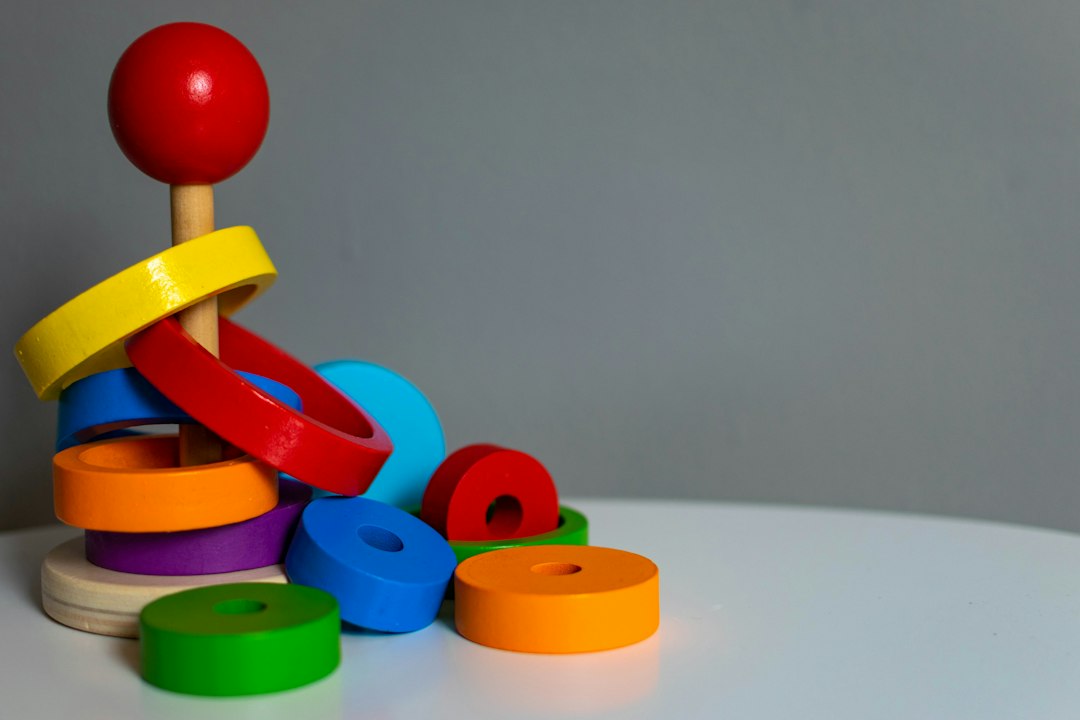
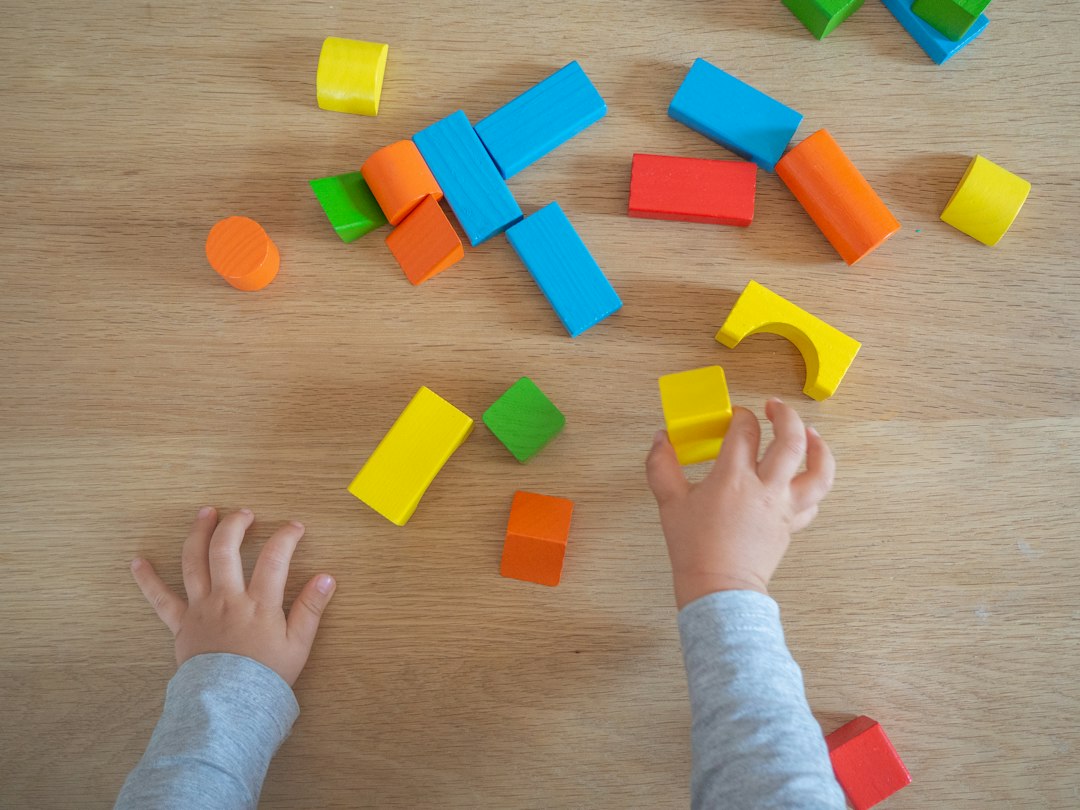
4. Large Stacking Blocks or Cups
Big blocks can be stacked, sorted, and knocked down. Keep older siblings’ small bricks in a separate space: toys appropriate for a school-age child may be choking hazards for a younger sibling.
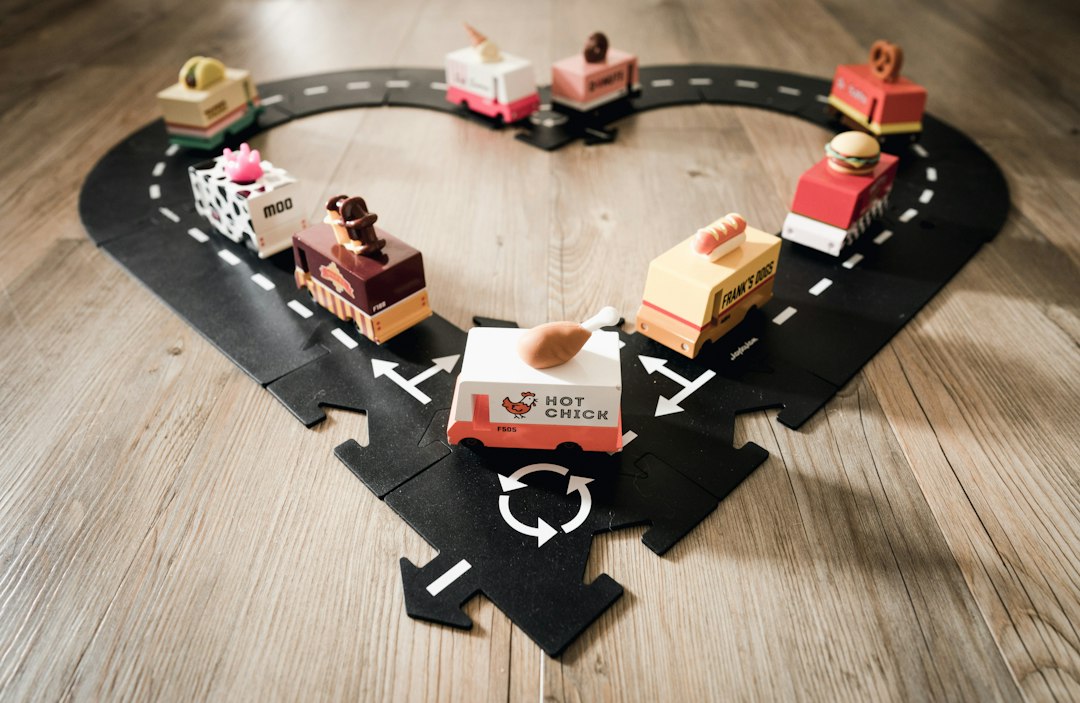
5. Sturdy Toy Cars and a Simple Road
Draw a road on a large sheet of paper and add a few age-appropriate cars. Check for loose wheels and detachable accessories. A simple setup can spark a surprising amount of pretend play.
6. A Pretend School Basket
Toddlers often want to do exactly what the older kids are doing. Give them their own chunky crayons and a large sheet of paper, or a board book and a pretend notebook. Choose materials for their age and supervise use.
7. Large-Piece Matching Games
Start with two or three pairs of large animal or color pictures. A toddler can point, name, and match without needing a complex game. Avoid loose laminating corners or small cards that could be mouthed.
8. Stuffed-Animal Story Time
Invite your toddler to “read” a book to a few washable stuffed animals. Inspect toys for loose eyes, buttons, ribbons, or stuffing first.
9. Painter’s Tape Roads
With an adult nearby, make a simple path on a suitable floor surface and roll large toy vehicles along it. Remove the tape when the activity ends; loose or peeled pieces shouldn’t be left where a mouthing toddler can reach them.
10. Music and Movement
Sometimes the best way to help everyone focus is to stop sitting. Play one song, march, stretch, or dance, then try the next short lesson.
11. A Simple Pretend Kitchen
A toy kitchen or a basket of large, unbreakable pretend dishes can work near your homeschool table. Skip small pretend-food pieces and detachable parts.
12. Two or Three Familiar Favorites on Rotation
You do not need to prepare twelve activities every morning. Try books, a puzzle, and blocks one day; cars, pretend play, and drawing the next. A small rotation is easier to manage than buying and storing endless new supplies.
How I Structure Lessons With a Toddler Nearby
I try to use the most settled moments for instruction an older child really needs me for: introducing a math concept, listening to reading, or helping with writing. Practice they can do more independently can come later. We might connect with the toddler, teach one short lesson, pause for movement or a snack, let the older child practice while I spend time with the toddler, and then return for another lesson. That is a flexible sequence, not a rigid timer.
Let Your Toddler Join the Lesson When Possible
If the older kids are learning colors, the toddler can name colors. During a story, the toddler can explore a board book. On a nature walk, everyone can observe something different. I love everyday learning that doesn’t feel like school because the whole family can often participate at different levels. Older children still deserve teaching at their level, and they shouldn’t become the default babysitter.
What About Sensory Bins?
I don’t recommend loose dried beans, rice, beads, tiny pom-poms, coins, or other small fillers for a toddler who may put objects in their mouth. Water beads are particularly dangerous because they can expand if swallowed. Water play requires close, constant attention—not an adult simultaneously teaching a lesson. For lower-prep alternatives, try sturdy fabric books, large textured toys, a chunky sorter, or an age-appropriate art activity with an adult nearby.
For safety information, see the American Academy of Pediatrics’ choking prevention guidance, water bead warning, and water safety guidance.
My Favorite Low-Prep Supplies
My short list: chunky puzzles, board books, large stacking toys, sturdy toy vehicles, age-appropriate art supplies, reusable search-and-find activities for children ready to use them safely, and a basket for rotating favorites. Use what you already own before buying something new.
Plan for the Days When Nothing Works
There will be days when the toddler wants you, an older child needs help, and nobody likes the activity you prepared. We can read together, take a walk, do one essential lesson, or move focused work to another time. Our family already homeschools around work; here’s how we make homeschooling and full-time work fit together.
Keep the Older Kids’ Plan Simple, Too
Toddler activities help, but the other half of the equation is knowing what the older children need to do next. I use a homeschool planning and recordkeeping system so I can pick up where we left off instead of spending our quiet windows searching for assignments. If you want a ready-made spreadsheet, explore the Homeschool Command Center or read how I use Google Sheets to organize our homeschool.
A simpler homeschool day starts with a flexible plan
Keep your older kids’ lessons and records organized so you can use the pockets of time that open up throughout the day.
Product examples are suggestions, not endorsements or guarantees of safety. Choose materials for your child’s age and abilities, follow manufacturer guidance, and supervise accordingly.