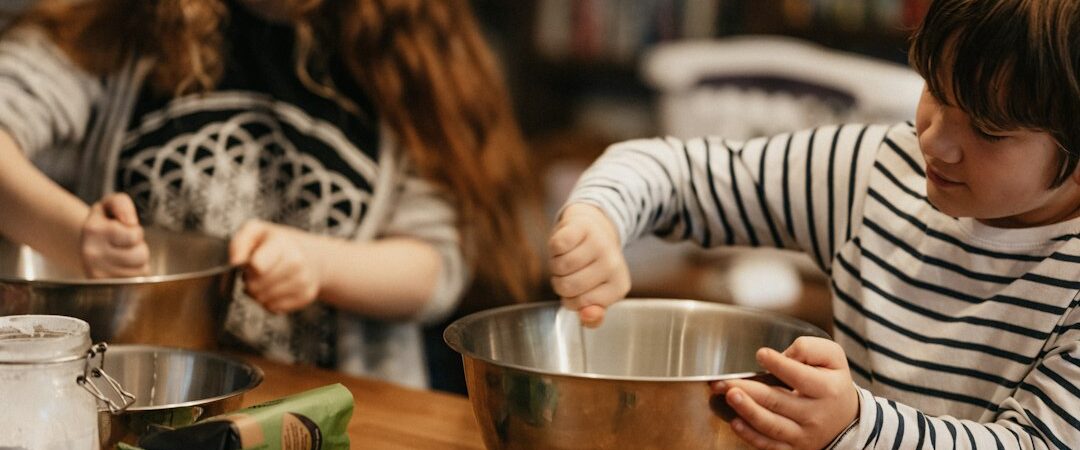
Some of our most memorable homeschool moments don’t involve a worksheet, a desk, or even being at home. They happen while we’re baking, exploring outside, reading before bed, or running errands together.
As a homeschooling mom of four who also works full time, I’ve learned to look for opportunities to teach in the life we already have. We still make time for focused lessons, especially when a child needs explicit instruction or practice. But meaningful learning can happen between those lessons, too.
A quick note about the word “count”: These activities can be part of a thoughtful homeschool education, but that does not mean every minute automatically qualifies toward legally required instructional hours, days, subjects, or credits. Requirements and definitions vary by location. Check the rules for your homeschool and document the educational purpose and actual learning rather than assuming an outing or chore automatically satisfies a requirement.
Everyday Life Skills That Double as Learning
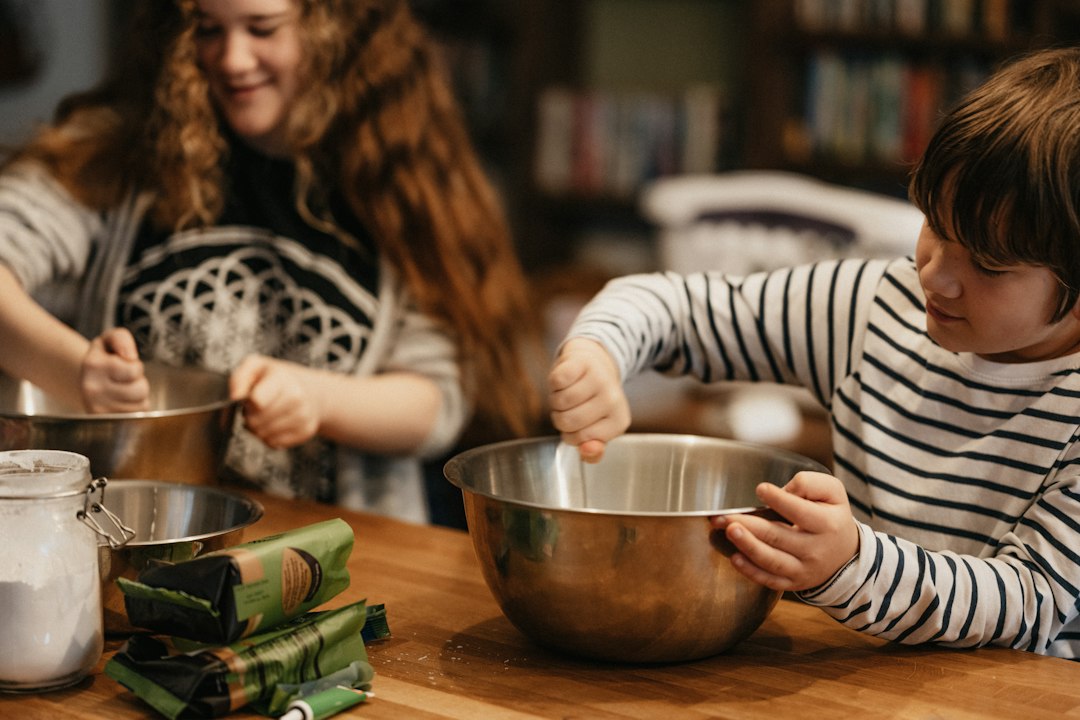
1. Bake Something Together
Have your child read the recipe, measure ingredients, compare fractions, and watch what changes in the oven. Younger children can count scoops or name ingredients; older kids can double a recipe and work out the new amounts.
Learning connections: Math, reading, sequencing, science.
2. Let Your Child Help Make a Grocery List
Check what’s already in the pantry, write down what’s missing, group foods by category, and estimate how much you need for the week. Give older children a budget and ask them to compare unit prices.
Learning connections: Writing, math, planning, financial literacy.
3. Turn Grocery Shopping Into a Math Challenge
Ask a child to find the better price, estimate a running total, read labels, or work out how much change they would get. Keep the challenge short enough that shopping still gets done.
Learning connections: Math, reading, decision-making.
4. Cook Dinner and Talk About Where Food Comes From
Look at ingredient labels, identify countries on a map, or compare a family recipe with food from another region. A meal can lead naturally into geography, culture, and family history.
Learning connections: Geography, reading, science, culture.
5. Sort Laundry and Practice Real-Life Math
Sort by color, match socks, count items, read clothing-care symbols, or estimate how long a cycle will take. For older kids, discuss fabric types and why some materials shrink.
Learning connections: Classification, math, practical life skills.
Nature and Outdoor Learning
6. Take a Nature Walk With a Question in Mind
Instead of simply saying “go outside,” ask: Which leaves have smooth edges? Where do insects hide? Why are some areas wetter? Bring home observations, not necessarily a bag of treasures.
Learning connections: Science, observation, vocabulary.
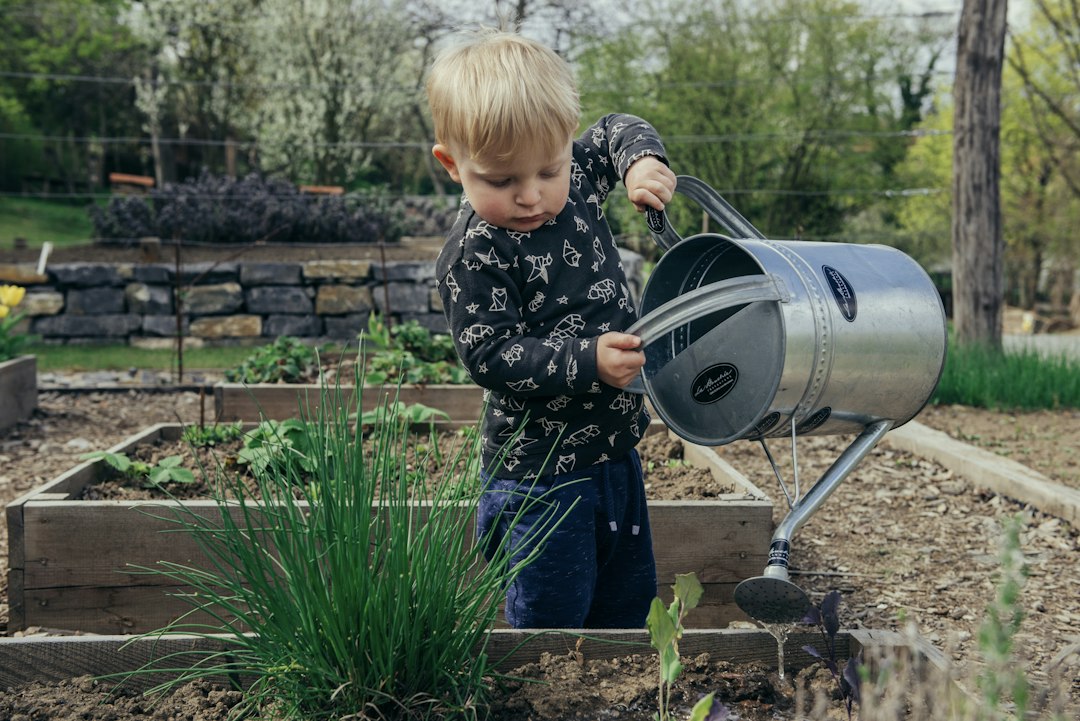
7. Plant Seeds and Keep a Growth Journal
Grow beans or herbs in a pot. Predict when they’ll sprout, measure growth, compare light conditions, and draw or photograph changes over time.
Learning connections: Biology, measurement, scientific thinking.
8. Watch the Weather Like a Meteorologist
Track temperature, clouds, rain, or wind for a week. Compare the forecast with what actually happens and make a simple graph together.
Learning connections: Earth science, data, graphing.
9. Build a Backyard Scavenger Hunt
Write clues for colors, shapes, textures, or natural objects. Older children can design the clues for younger siblings, which turns the game into a writing assignment, too.
Learning connections: Reading, writing, observation.
10. Go to a Park and Explore Simple Physics
Try the swings, a ramp, or a rolling ball. Ask what makes things speed up, slow down, or change direction. Let children test ideas safely instead of supplying every answer.
Learning connections: Physics, movement, problem-solving.
Reading, Writing, and Language Without Worksheets
11. Listen to an Audiobook and Talk About It
A story during a car ride or quiet time can lead to a conversation about characters, setting, sequence, and unfamiliar words. Ask your child to retell the best part or predict what happens next.
Learning connections: Listening comprehension, vocabulary, literature.
12. Visit the Library With a Mission
Challenge each child to find a book about an interest, a new genre, or a topic from a recent lesson. Practice using the catalog, finding a shelf, and asking a librarian for help.
Learning connections: Research, reading, information literacy.
13. Write a Letter or Thank-You Note
Real recipients give writing a purpose. Help younger children dictate or copy a message; let older children plan, revise, address, and mail their own letters.
Learning connections: Handwriting, composition, communication.
14. Play a Word Game in the Car
Try rhyming, alphabet categories, syllable claps, or a collaborative story where each person adds one sentence. No materials required.
Learning connections: Phonics, vocabulary, storytelling.
15. Make a Family Photo Timeline
Put printed photos or drawings in order, add captions, and talk about how things have changed. Older children can interview relatives and write short biographies.
Learning connections: Chronology, writing, family history.
Play, Creativity, and Problem-Solving
16. Play Board Games With a Learning Goal
Games can involve counting, strategy, reading directions, taking turns, or interpreting data. Ask your child to explain a move or calculate a score rather than rushing to finish.
Learning connections: Math, logic, reading, social skills.
17. Build With Blocks, LEGO, or Recycled Boxes
Set a design challenge: build a bridge, a tower, or a house for a toy. Sketch the idea first, test it, and make one improvement after it fails.
Learning connections: Engineering, geometry, persistence.
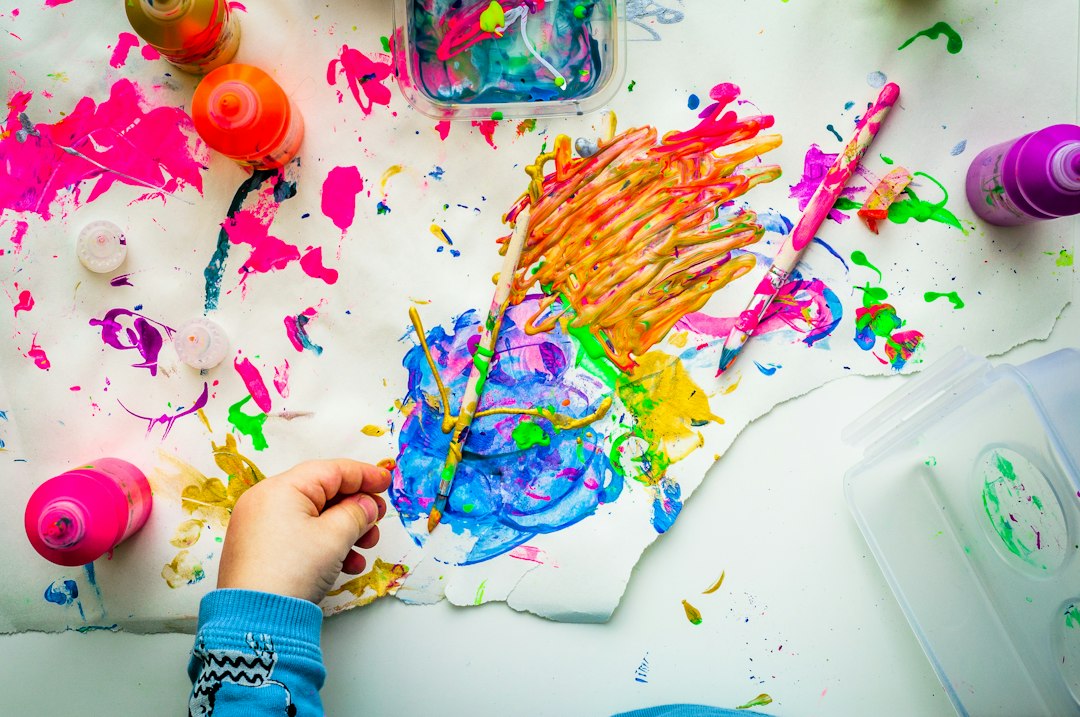
18. Create Art From Household Materials
Try collage, stamping, color mixing, or making a model from cardboard. Talk about shape, pattern, texture, and why a material works for one purpose but not another.
Learning connections: Art, design, fine motor skills.
19. Put On a Puppet Show or Mini Play
Children can invent characters, write a script, make props, and perform for the family. Keep the production small so the storytelling stays fun.
Learning connections: Writing, oral language, drama.
20. Follow a Map on a Family Outing
Before leaving, find the destination, discuss the route, and estimate travel time. During the trip, notice landmarks and directions. Older children can compare two possible routes.
Learning connections: Geography, spatial reasoning, time.
Field Trips, Community, and Family Projects
21. Visit a Museum, Zoo, or Nature Center
Choose one question before you go, then follow your child’s curiosity. Afterwards, invite them to draw, tell, or write what they learned instead of turning the whole outing into a quiz.
Learning connections: Science, history, observation.
22. Explore a Local Historic Site
Read a sign, look at an old building, or ask how people lived and worked there. Compare the past with daily life now.
Learning connections: History, civics, comparison.
23. Volunteer or Help a Neighbor
Age-appropriate service can introduce community roles, empathy, and practical problem-solving. Talk about who benefits and why the work matters.
Learning connections: Civics, communication, life skills.
24. Plan a Small Family Event
Let children help make invitations, count guests, estimate supplies, set a timeline, or create a simple budget. A birthday or picnic becomes a real-world planning project.
Learning connections: Math, writing, organization.
25. Learn a Skill From a Family Member
Gardening, sewing, woodworking, fixing a bicycle, or making a traditional recipe can connect practical skills with measurement, history, and careful observation. Match tools and tasks to the child’s age and supervise appropriately.
Learning connections: Practical arts, math, family history.
How I Record Everyday Learning Without Making It Complicated
I don’t try to turn every ordinary moment into a formal lesson. When an activity supports a learning goal, I make a short note of what we did and what the kids practiced. For example, “Baked muffins; read recipe; measured ½ cup and ¼ cup; compared quantities” is much more useful later than simply writing “baking.”
Sometimes I save a photo, a drawing, a written reflection, or a completed project. Other times a quick entry in our homeschool log is enough. The amount and type of documentation should fit both your family and any applicable recordkeeping requirements.
I use the Homeschool Command Center to keep our lessons, activities, and records in one place. You can also read how I use Google Sheets to organize our homeschool if you want to see the planning side of our routine.
A Simple Way to Choose an Activity Today
Pick one activity you were already going to do. Give it one learning focus. Ask one good question. Then let the experience be enjoyable. That’s often enough to make the day richer without adding another elaborate project to your to-do list.
If you work full time or homeschool outside traditional school hours, this approach can be especially helpful. Our family makes room for focused instruction and also notices the learning already woven through our evenings, weekends, and errands. Here’s how we make homeschooling and full-time work fit together.
Want to keep all this learning organized?
Explore the Homeschool Command Center: a customizable digital spreadsheet for lesson plans, activity logs, learning hours, grades, and progress.
Recordkeeping reminder: For requirements in your location, consult your state education agency or a reliable state-specific resource such as HSLDA’s homeschool law map. This article offers activity ideas, not a determination that an activity meets a specific legal requirement.